In this glossary, they are making know about the 7 elements of the urban image, brick ties, the concrete collocations and steel and metal collocations, which ones will be presented as a concept, such as its pronunciation, an image, a translation into Spanish, among other elements since it is an academic work, this will be able to understand and know these elements in English.
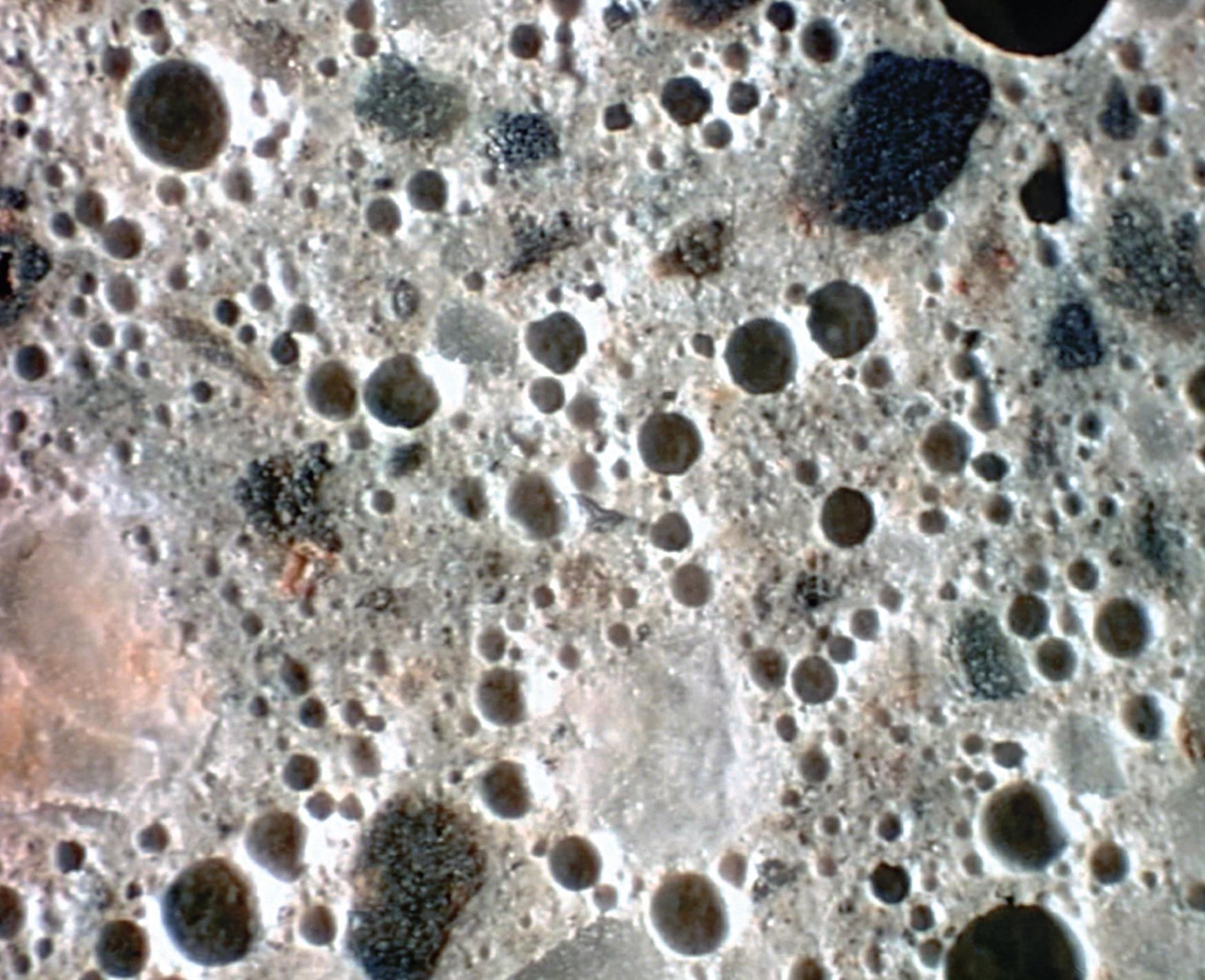
Air entrained concrete
Air-entrained concrete contains billions of microscopic air cells per cubic foot. These air pockets relieve internal pressure on the concrete by providing tiny chambers for water to expand into when it freezes.
Example: Air-entrained concrete is produced using air-entraining portland cement, or by the introduction of air-entraining agents, under careful engineering supervision, as the concrete is mixed on the job.
en: Hormigón arrastrado por aire
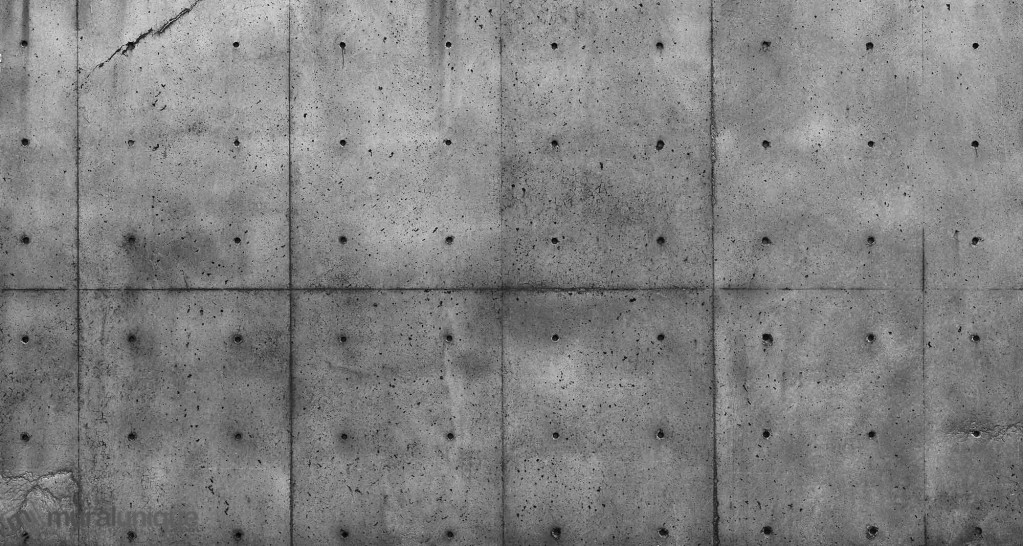
Architectural concrete
Noun
Is concrete that will be permanently exposed to view and therefore requires special care in selection of the concrete materials, forming, placing, and finishing to obtain the desired architectural appearance.
Example: The flexibility of architectural concrete in design enables the designer to create structures not possible with other construction materials.
en: Concreto arquitectónico
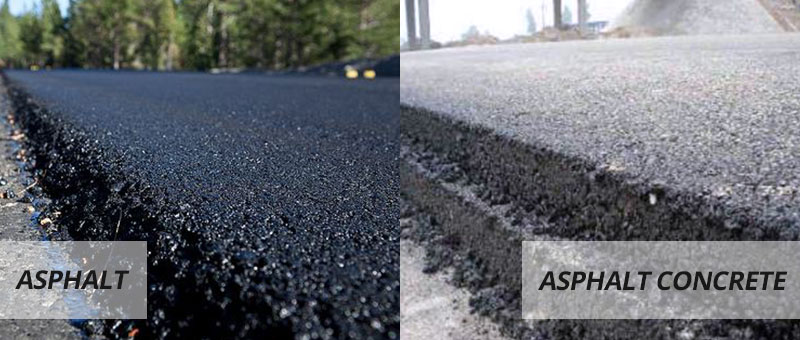
Asphaltic concrete
Noun
Is a composite material commonly used to surface roads, parking lots, airports, and the core of embankment dams.
Example: Asphaltic concrete is typically used only in engineering and construction documents, which define concrete as any composite material composed of mineral aggregate adhered with a binder.
en: Concreto asfáltico
Axis
Noun
An axis is a line connecting two points in space, about which forms can be arranged in an asymmetrical or symmetrical, balanced manner. It is an imaginary line that can denote structure, procession, direction, views, line of rotation and so on. An axis is used to align elements in the design, and to arrange and plan spaces.
Example: The path that leads to the rooms represents the lines or axes that organize the spaces
en: Eje
Backup wall
Noun
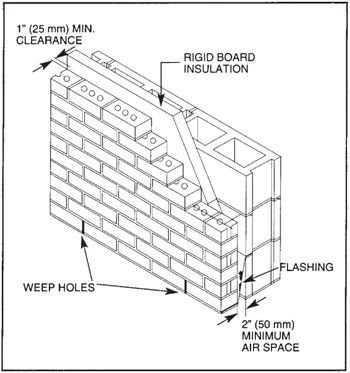
Common interior walls (backup walls) are cold-formed steel framed walls with water-resistant sheathing and concrete masonry.
Example: The backup walls are designed as "drainage walls" in respect to their resistance to water penetration.
en: Pared de respaldo
Borders, or edge
Noun
Border is the limit of a surface or the strip adjacent to it, inside or outside, being a lace border. Being insurmountable limits, whether natural or artificial, in a way that can be visual or imaginary
Example: The row of bushes and the walls meet as visual borders, although on the way due to a difference in level, these can become both imaginary visual borders.
en: Borde
Brick courses
Noun
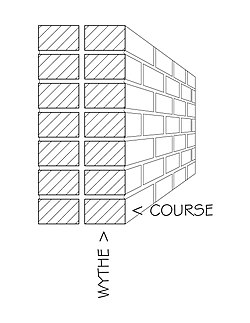
A course is a layer of the same unit running horizontally in a wall. It can also be defined as a continuous row of any masonry unit such as bricks, concrete masonry units (CMU), stone, shingles, tiles, etc.
Example: Masonry coursing can be arranged in various orientations, according to which side of the masonry unit is facing the outside and how it is positioned.
en: Cursos de ladrillo
Cellular concrete
Noun
Is a special engineered concrete manufactured by mixing Portland cement, sand, fly ash, water and pre-formed foam in varied proportions to form a hardened material having an oven-dry density of 50 pounds per cubic foot (PCF) or less.
Example: Cellular lightweight concrete is utilized as thermal insulation in the form of bricks and blocks over flat roofs or non-loading walls.
Bulk filling by applying relatively low strength material for old sewer pipes, wells, unused cellars and basements, storage tanks, tunnels and subways.
en: Concreto celular
Colored concrete
Noun
Colored concrete, also known as decorative concrete, allows traditional grey concrete to be stained and dyed different colors.
Example: Colored concrete has been colored as far back as the early 1900s and was primarily used by companies who made precast structures for building facades. Today, it can be used to create unique designs, break up large paved areas, or hide potential stains.
en: Concreto coloreado
Concrete block
Noun
Is a standard-size rectangular block used in building construction. CMUs are some of the most versatile building products available because of the wide variety of appearances that can be achieved using them.[
Example: Concrete block, when built with integral steel reinforcement, is a very common building material for the load-bearing walls of buildings...
en: Bloque de concreto
Cured concrete
Noun
Providing adequate moisture, temperature, and time to allow the concrete to achieve the desired properties for its intended use.
Example: The cured concrete means maintaining a relative humidity in the concrete of greater than 80 percent, a temperature greater than 50 degrees Fahrenheit, and for a time typically ranging from three to 14 days depending on the specific application.
en: Concreto curado
Dovetail insert
Noun
It is an ideal option to clean the rest of the angle or reverse beveling of the workpiece holes in microcomputers, without the need for a custom tool to solve the problem.
Example: The advantages of using a dovetail insert to machine a notch inside a ring.
en: Inserto de cola de milano
Exposed concrete
Noun
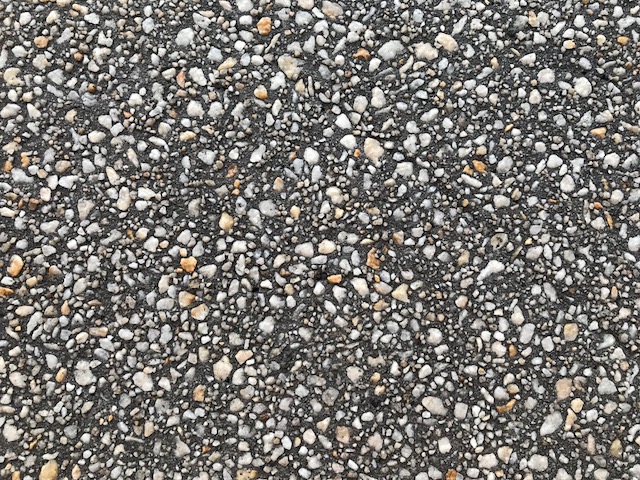
Is created by removing the surface fines from the concrete resulting in the internal aggregates being exposed highlighting the natural elements of the stone.
Example: The exposed concrete is ideal for use in outdoor areas, the more heavily exposed finish is perfect for driveways or areas requiring more grip.
en: Concreto expuesto
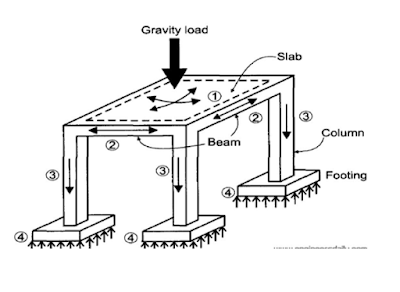
Gravity load
Noun
Gravity loads are body loads that simulate the force of gravity as it affects the model.
Example: When you define a gravity load, you specify the components of gravitational acceleration in each coordinate direction...
en: Carga de gravedad
Green concrete
Noun
Is defined as a concrete which uses waste material as at least one of its components, or its production process does not lead to environmental destruction, or it has high performance and life cycle sustainability.
Example: Green concrete requires less maintenance and repairs, and it can be used in all parts of the structure.
en: Concreto verde
Hanging of
Action
It is an element that is suspended from some element, although it is fastened from a part.
Example: The slab is hanging off the top.
en: Colgando de
Horizontal mortar joints
Noun
Mortar joints are the spaces between bricks, concrete blocks, or glass blocks, that are filled with mortar or grout.
Example: In order to produce a mortar joint, the mason must use one of several types of jointers (slickers), rakes, or beaders.
en: Juntas de mortero horizontales
Insulating concrete
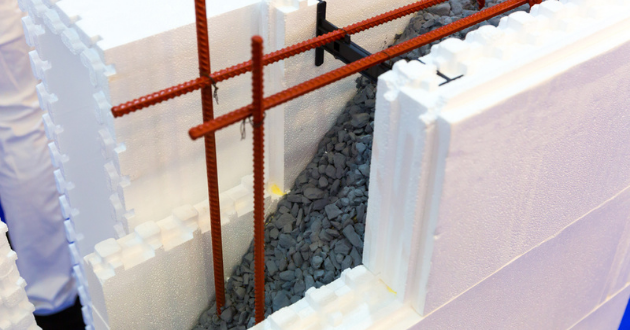
Noun
Result in cast-in-place concrete walls that are sandwiched between two layers of insulation material. These systems are strong and energy efficient.
Example: Common applications for the insulating concrete of construction are low-rise buildings, with property uses ranging from residential to commercial to industrial.
en: Concreto aislante
Ladder type systems
Noun
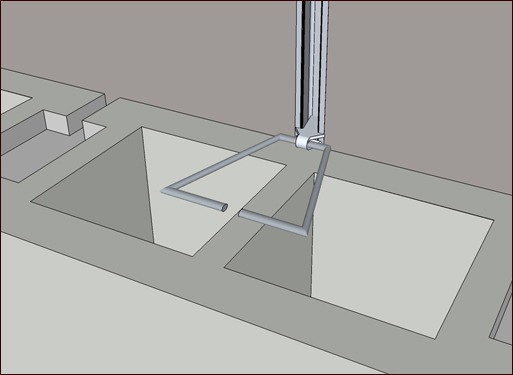
Ladder Type rubble (or ashlar) stone anchoring system for cavity or insulated walls. The backup is reinforced with a ladder type reinforcement with projecting boxes and a factory-welded restraint bar.
Example: Ladder Type system is ideal for when horizontal mortar joints do not align, and a large amount of vertical adjustability is required.
en: Sistemas tipo escalera
Laterally
Adverb
Located on the side of a thing or that does not come by straight line.
Example: is attached laterally to the wall
en: Lateralmente
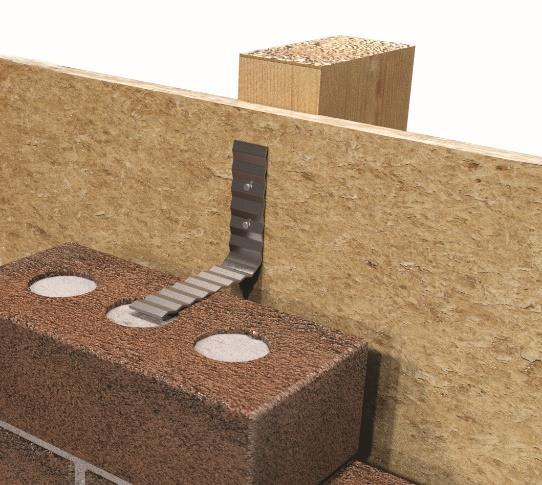
Masonry ties
Noun
These ties are used to connect multiple walls of masonry, often of different materials; anchor masonry veneer to backing systems other than masonry; and connect composite masonry walls.
Example: The masonry ties are connected to the walls...
en: Lazos de albañilería
Metal channel
Noun-noun
Metal channels are light gauge and cold formed. Light gauge means thin. Cold formed means that they are made by bending thin steel without heating.
Example: We carry "U" channel metals in aluminum, brass, carbon steel, and stainless steel.
en: Canal metalico
Metal decking
Noun-noun
Metal decking is structural. It is most often covered with concrete to form floor or roof slabs. Sometimes it isn't covered with concrete and just spans between secondary roof framing members and supports the roof insulation and roofing materials.
Example: We are often asked what is the maximum span for metal decking – in fact it’s one of the most common queries
en: Cubierta metálica
Metal framing
Noun-noun
Metal framing usually refers to cold-formed, light gauge studs, channels and other shapes. Metal framing can be structural if it is engineered.
Example: Designs and manufactures a comprehensive range of metal framing components for use with our wall and ceiling systems.
en: Enmarcado de metal
Metal grating
Noun-noun
Grating can be structural or non-structural. metal grating, is an open grid assembly of metal bars, in which the bearing bars, running in one direction, are spaced by rigid attachment to cross bars running perpendicular to them or by bent connecting bars extending between them, which is designed to hold heavy loads with minimal weight. It is widely used as floors, mezzanines, stair treads, fencing, trench covers and maintenance platforms in factories, workshops, motor rooms, trolley channels, heavy loading areas, boiler equipment and heavy equipment areas, etc.
Example: Metal grating can be made of materials such as steel, aluminum, fiberglass. Fiberglass grating is also known as FRP grating.
en: Rejilla metálica
Metal panel
Noun-noun
Metal panel is a general term describing any flat, thin sheet of metal. It can be any type of metal (stainless steel, aluminum, titanium, etc.)
Example: Insulated metal panels (IMPs) are exterior wall and roof panels with steel skins and an insulating foam core.
en: Paneles metálicos
Metal rod
Noun-noun
Metal rods are specially formed pieces of metal and alloy that are shaped into a rod-like aesthetic hence the name. Metal rods are commonly used to give added support to a range of applications such as masonry structures.
Example: Metal rods alloys designed in the pattern of round bars or rod, rectangular or flat bars, square bars, hexagons, and other patterns of bar .
en: Varilla mtálica
Metal roofing
Noun-noun
A metal roof is simply a roofing system made using metal pieces, tiles, or panels. A metal roof is a part of the roofing envelope which is the physical separator between the inside and outside of the building and is designed to provide resistance to air, water, heat and sound.
Example: Since metal roofing begins as a metal coil or sheet, it has the ability to be formed and cut into many different shapes, sizes, and lengths.
en: Techo metálico
Metal stud
Noun-noun
Structural metal stud framing refers to the construction of walls and planes using cold-formed steel components. There are two main components of metal stud framing, a stud and a track. Heavier gauge metal studs are used in load bearing walls and structural applications such as exterior walls. Lighter gauge metal studs are used in non-load bearing applications such as some interior walls, half-walls, and partitions.
Example: Steel studs are perfectly straight. They don't shrink or split.
en: Perfilería metálica
Metal tubing
Noun-noun
Tubing is any shape that's hollow. (open in the middle)
Example: We carry square metal tubing in aluminum, brass, carbon steel, and stainless steel. Square metal tube stock is used in both structural and architectural ...
en: Tubos metálicos
Milestone
Noun
They are reference points that are recognized by everyone in a site, being elements that are seen and unlike nodes, they are not penetrated.
Example: The ingenuity of the architecture faculty is the most recognized landmark, since it cannot be entered and can be easily referenced by that element.
en: Hito
Multi-story
Adjective
Containing several levels of construction
Example: My building is multi-story
en: De varios pisos
Node
Noun
A node is a centralized hub outside of the city. It's where there's activity and the infrastructure to support it, such as residential, commercial and retail buildings, usually alongside public transport options.
Example: The neighborhood park is the node, as it is the closest meeting point in that area.
en: Nodo
Plot or weft
Noun
It is established through constant reference points and lines located in space, and even if they change in size, shape or function, they can share a common relationship since this is created by establishing a regular scheme of points that define intersections.
Example: The plot can be seen in the intersections of the lines that are created in the streets of the neighborhood blocks.
en: Trama
Porous concrete
Noun
Is a special type of concrete with a high porosity used for concrete flatwork applications that allows water from precipitation and other sources to pass directly through, thereby reducing the runoff from a site and allowing groundwater recharge.
Example: Pervious or porous concrete is traditionally used in parking areas, areas with light traffic, residential streets, pedestrian walkways, and greenhouses.
en: Concreto poroso
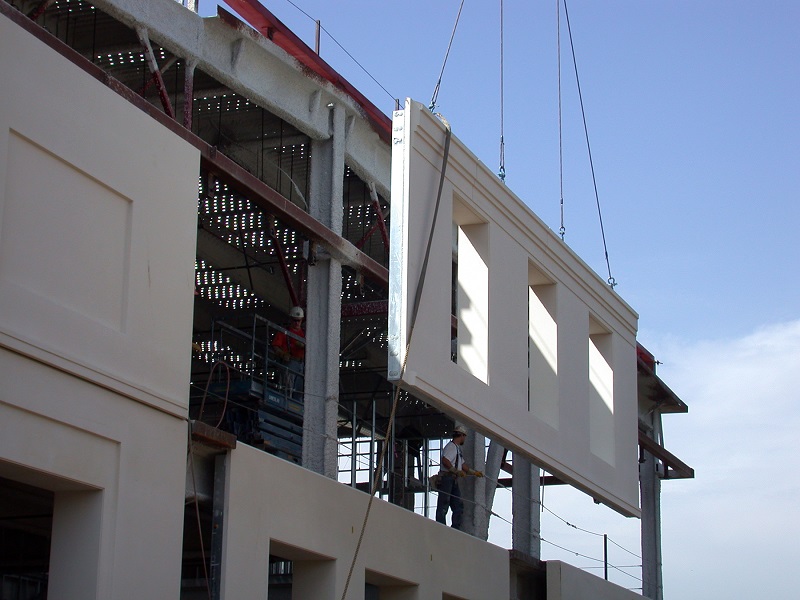
Precast concrete
Noun
Is a construction product produced by casting concrete in a reusable mold or "form" which is then cured in a controlled environment, transported to the construction site and lifted into place
Example: Precast concrete is used within exterior and interior walls.
en: Concreto prefabricado
Prestressed concrete
Noun
Is a form of concrete used in construction. It is substantially "prestressed" (compressed) during production, in a manner that strengthens it against tensile forces which will exist when in service.
Example: Prestressed concrete is used in a wide range of building and civil structures where its improved performance can allow for longer spans, reduced structural thicknesses, and material savings compared with simple reinforced concrete.
en: Concreto pretensado
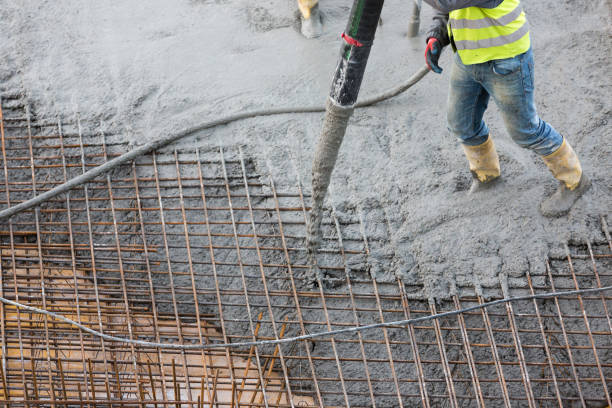
Reinforced concrete
Noun
Concrete in which steel is embedded in such a manner that the two materials act together in resisting forces. The reinforcing steel—rods, bars, or mesh—absorbs the tensile, shear, and sometimes the compressive stresses in a concrete structure.
Example: Reinforced concrete is used in structures as castles, columns, slabs, etc.
en: Concreto reforzado
Relief angle
Noun
The relief angle is the angle between a cutting tool and the work piece it has a just cut.
Example: A relief angle helps to support the weight of the wall
en: Ángulo de alivio
Routes and circulations
Noun
Arranged with space organizers such as linear, raster, radial, spiral, rectangular and compound, reaching a path flow, defining one path or two, as well as the circulation of the construction or space.
Example: The flow or circulation on the road is wide, so that they define the trajectory depending on where it comes from.
en: Trayectoria o circulación
Steel angle
Noun-noun
Steel angles are hot rolled, and are most often structural.
Example: Plain Steel Angle with 1/8 in. Get free shipping on qualified Steel Angles products or Buy Online Pick Up in Store today in the Hardware Department.
en: Ángulo de acero
Steel beam
Noun-noun
Steel beams are hot rolled, horizontal steel structural framing members.
Example: Steel Beams are widely used throughout the construction industry when supporting heavy loads is required. Commonly termed an “I” Beam because of its shape, beams provide great load bearing support when used horizontally or standing as columns.
en: Viga de acero
Steel column
Noun-noun
Steel columns are hot rolled, vertical steel structural framing members. A steel column is a vertical structure member used in construction to provide essential support. They may carry loads in compression or they may transfer loads from things like beams, ceilings, floor slabs or roof slabs to floors or foundations.
Example: Steel columns are easy to install, with prefabricated corner columns available. They make the perfect structure for vines to grow along, creating a naturally...
en: Columna de acero
Steel framing
Noun-noun
Steel framing is a general term. It could be structural or non-structural shapes.
Example: We are a global one-stop manufacturer of Steel Frame Construction solutions. Extremely experienced. The products are used in various infrastructure and housing construction.
en: Estructura de acero
Steel joist
Noun-noun
Steel joists are open web lightweight steel trusses consisting of parallel chords and a triangulated web system, proportioned to span between bearing points. There are five main components: a top chord, bottom chord, end web, bearing seat, and interior web members.
Example: Steel joist framing provides an efficient framing system for supporting floors and ceilings in a wide variety of building types.
en: Vigueta de acero
Steel member
Noun-noun
Member is a general term. Steel members are any part of a primary structural system. Beams, columns, girts, joists, etc.
Example: This article describes the verification of steel members subject to shear, bending moments and axial forces.
en: Miembro de acero
Steel plate
Noun-noun
Steel Plate, or structural steel is simply steel sheet material that can be customarily cut and welded to develop a more elaborate product. It is made by compressing multiple steel layers together into one; forming a plate of steel.
Example: Steel Plate product range provides the ability for our customers to select the steels that best suit their specific design criteria.
en: Placa de acero
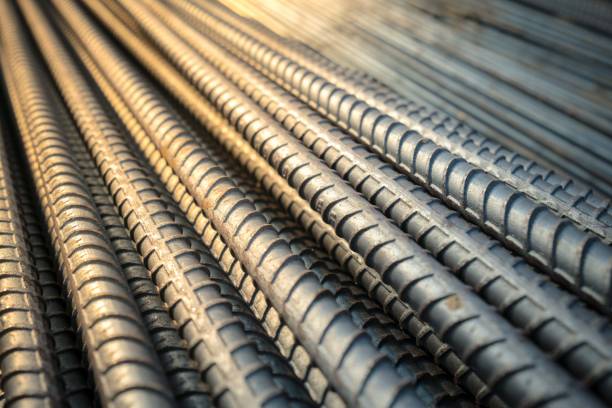
Steel reinforcement
Noun-noun
Steel reinforcement are steel bars that are provided in combination with plain cement concrete to make it reinforced concrete. Hence these structures form steel reinforced cement concrete structure (R.C.C). Steel reinforcement is commonly called as ‘rebars’.
Example: Steel Reinforcement is in the form of rebar or wire of steel, which is utilized in concrete members to resist primarily tensile forces .
en: Refuerzo de acero
Steel reinforcing
Noun-noun
Steel reinforcing are steel bars that are provided in combination with plain cement concrete to make it reinforced concrete. Hence these structures form steel reinforced cement concrete structure (R.C.C). Steel reinforcement is commonly called as ‘rebars’.
Example: Steel Reinforcing is in the form of rebar or wire of steel, which is utilized in concrete members to resist primarily tensile forces
en: Refuerzo de acero
Steel rod
Noun-noun
Steel rods are specially formed pieces of metal and alloy that are shaped into a rod-like aesthetic hence the name. Metal rods are commonly used to give added support to a range of applications such as masonry structures.
Example: Steel rodsare placed in the lower portion of a concrete slab prevent that slab from cracking when subjected to that tensile bending force.
en: Varilla de acero
Steel sections
Noun-noun
Steel section describes the profile or shape of a structural steel member. Engineers use the section properties for their calculations.
Example: Our steel sections are suitable for use in a range of sectors and have been used to build tools, vehicles, walkways, bridges, buildings and more.
en: Secciones de acero
Supports
Noun
A structural support is a part of a building or structure that provides the necessary stiffness and strength in order to resist the internal forces (vertical forces of gravity and lateral forces due to wind and earthquakes) and guide them safely to the ground.
Example: Building support structures, no matter what materials are used, have to give accurate and safe results.
en: Apoyo
Tie (Something) back to
Phrasal verb
Join, or hold with ligatures or knots that prevent or remove movement
Example: System to tie back to the roof material, made up of beams or pairs, crossbars or knuckles, trusses, coating boards ...
en: Atar (algo) a
Transfers
Verb
Those who transfer the loads from the structure to the ground
Example: The load is transferred by means of the castle and the load-bearing walls to the slab, transferring it to the foundation
en: Transferencias
Uncured concrete
Noun
Uncured slabs of concrete will likely develop a pattern of fine cracks, and will not be strong enough to withstand years of weather and use.
Example: When concrete is not cured, its durability, strength and abrasive resistance are affected, concrete develops plastic shrinkage cracks, thermal cracks, along with a considerable loss in the strength of the surface layer.
en: Concreto sin curar
Unreinforced concrete
Noun
Concrete without reinforcement or reinforced only for shrinkage or temperature changes. Concrete without some other specific admixture or element, in contrast with concrete containing such an admixture or element, e.g., non-air-entrained concrete.
Example: Unreinforced concrete is notorious for cracking easily at any sources of stress. All points of restraint need to be carefully managed to avoid these drying shrinkage stress cracks.
en: Concreto no reforzado
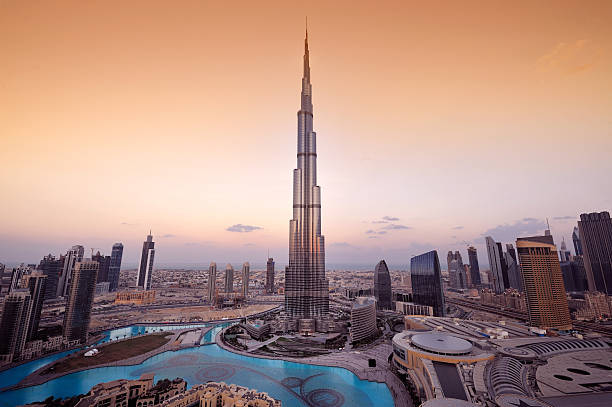
Urban legibility
Noun
It is the characteristic of a space or territory that alludes to the ease of reading, without visual obstruction, as this helps to identify its environment, its inhabitants and to humanize its urban environment, respecting its identity.
Example: The similar shape that the structures have, leads to urban legibility, demonstrating an ease of knowing what environment it is and how it maintains its identity.
en: Legibilidad urbana
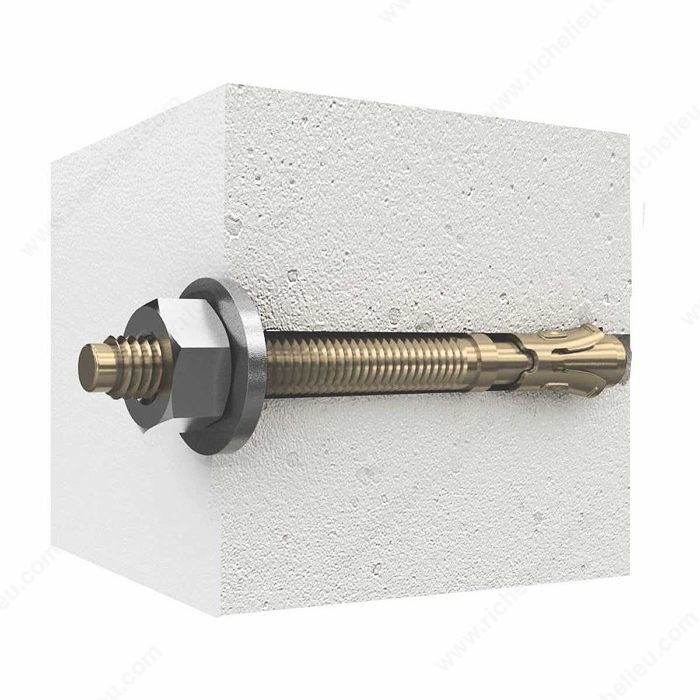
Wedge anchor
Noun
A wedge anchor is a mechanical type expansion anchor that consists of four parts: the threaded anchor body, the expansion clip, a nut, and a washer. These anchors provide higher and better consistent holding values than many of mechanical type expansion anchor
Example: Anchors provide higher and better consistent holding values than many of mechanical type expansion anchor.











/steel-beams-at-construction-site-xxl-157433571-57edd3cc3df78c690f2cb6bf.jpg)